
Pegasus Gold Mint Algorithms to invest in Gold Coins or to use Pegasus gold coin as investment in sustainable projects
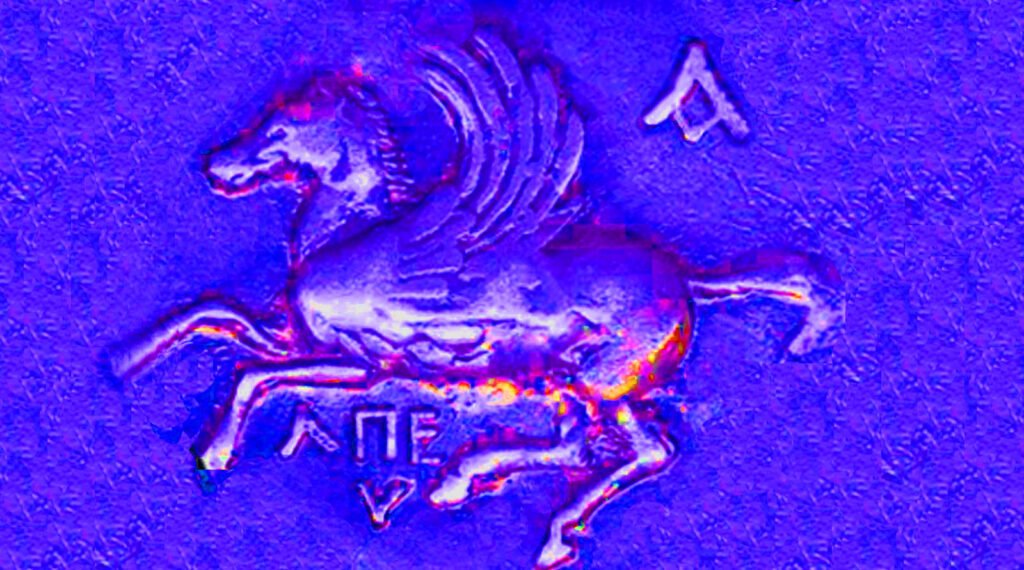
Gold Mint
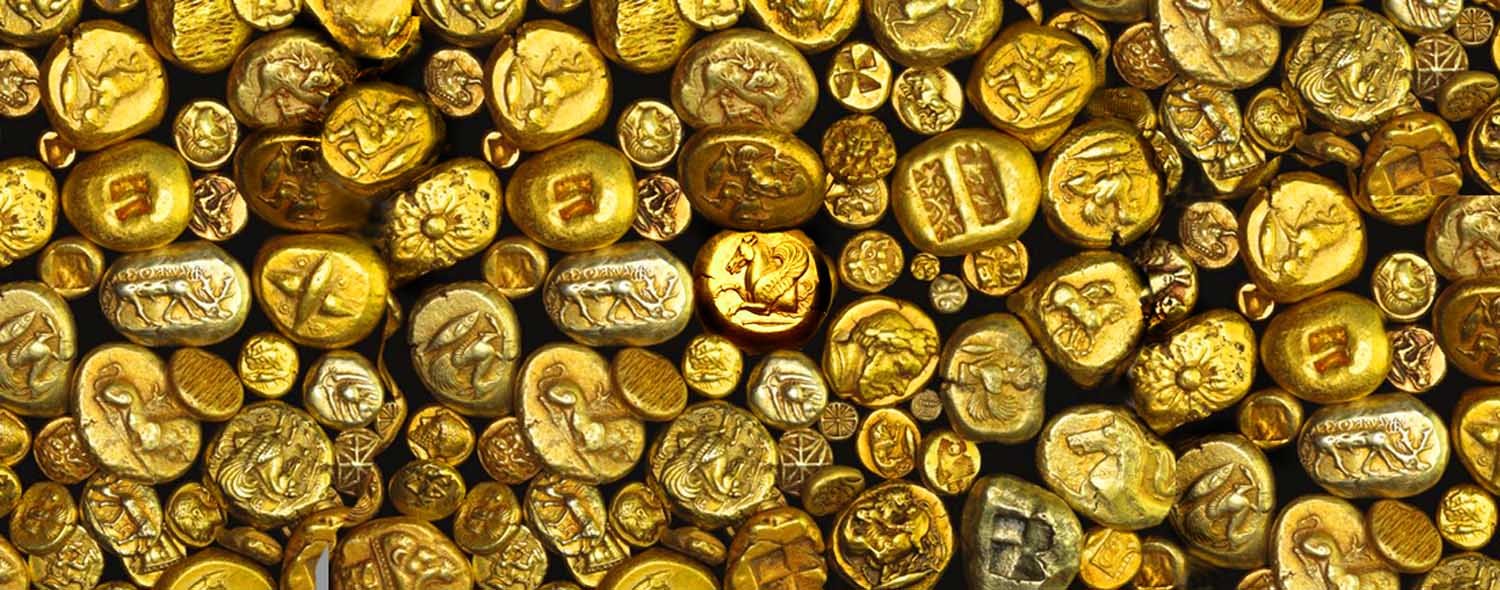
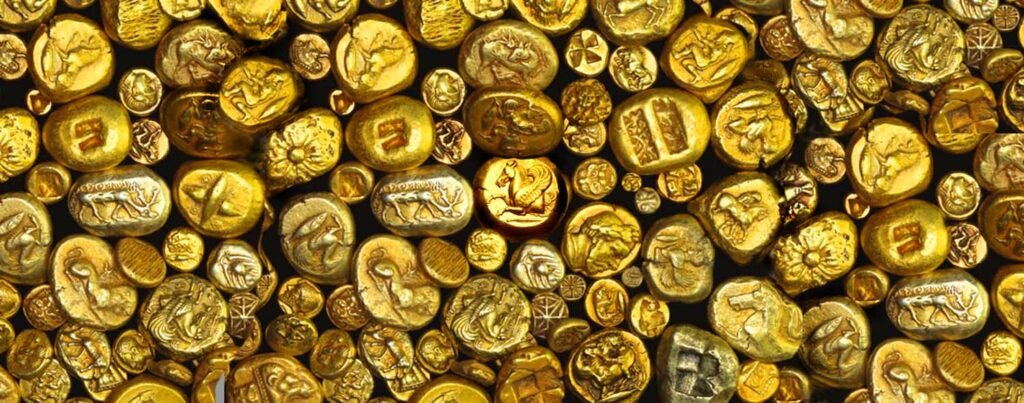
Veriety of gold coins from Electrum alloys
& Au 999.9
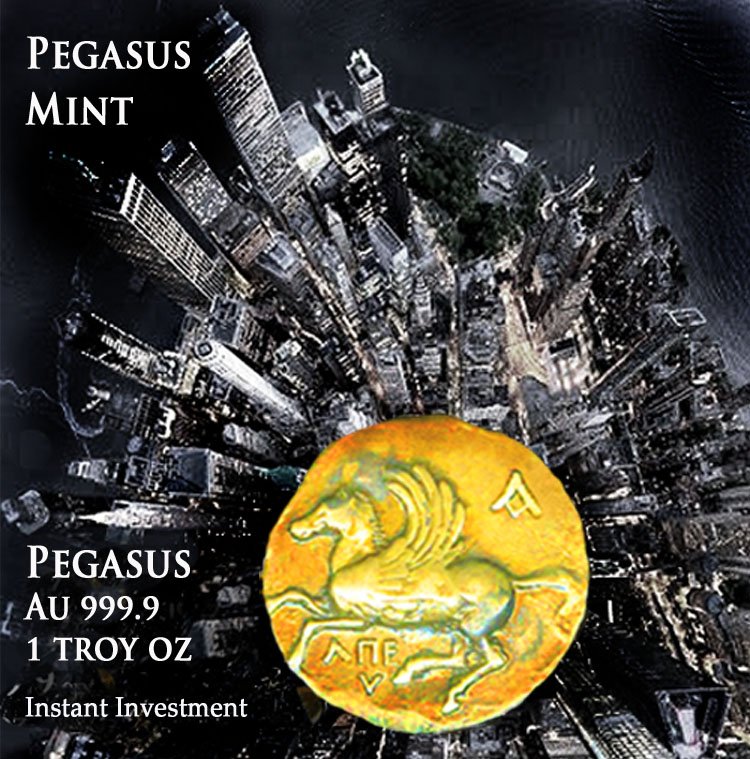
GOLD MINT
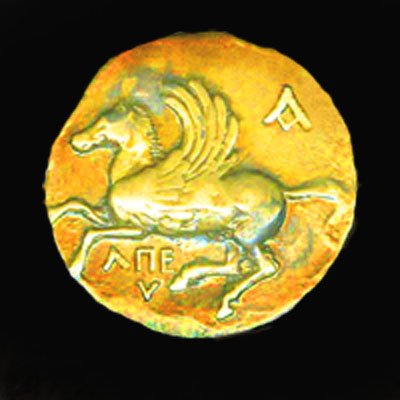
Pegasus Gold Mint produces series of coins and Limited Editions of Investment Gold Coins. Alloys used in mintage are Electrum, Au999.9, Purple shade Gold (for EU), Green Shade Gold (for UK).
Silver & Platinum coins are coming in 2027.
SEE MORE ALLOYS
ALLOYS:
Electrum: Ancient alloy for production of coins. used in ancient Greece, Rome.
Gold: 75% / Silver: 29.5% / Copper: 0.5%
Pure Gold AU999.9 = 24k
SIlver: Sterling Silver Ag999.5
READ MORE ABOUT HISTORY
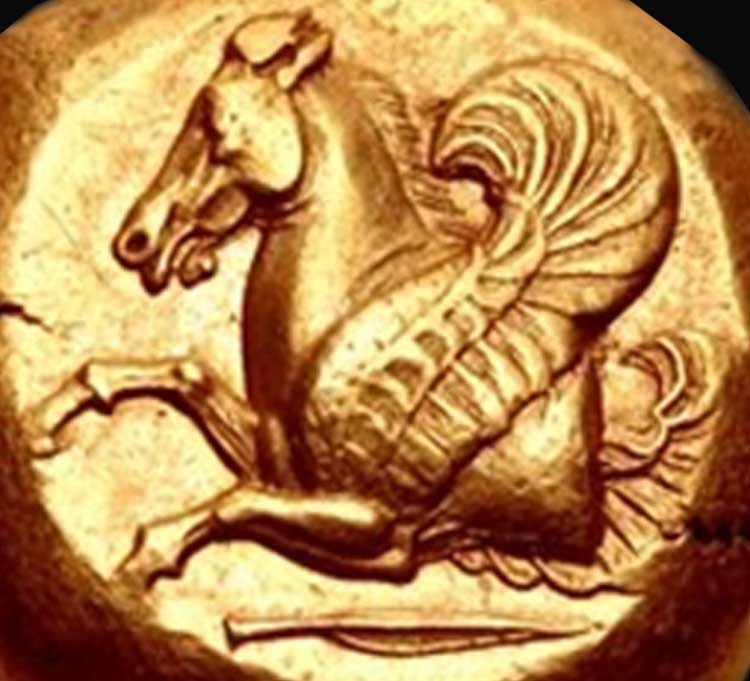
Special edition of Souvernir Coins
.

Secure Your Investment in Pegasus Coins
PegasusGOLDmint
PEGASUS Au 999.9 COIN
PEGASUS GOLD MINT
COINS
ALLOYS
PROCESS
WEIGHT
INVESTMENT
PURE GOLD COIN PEGASUS
Pure Gold Coin Au 999.9
Pure investment gold coin Pegasus Au 999.9.
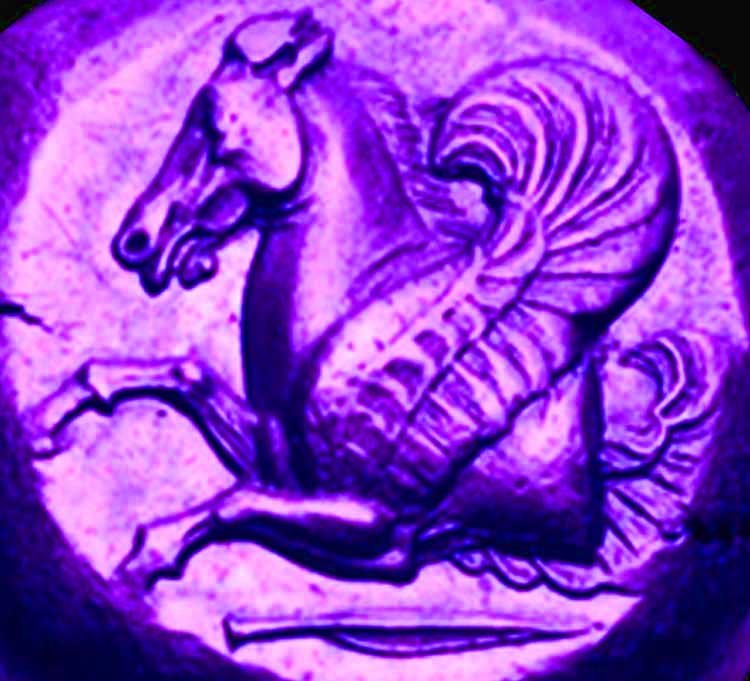
PEGASUS PURPLE COIN
Weight: 1 OZ = 31.1 GR
Au 75%
Ag 5%
AuAl2 20%
Limited Edition
Ag 5%
AuAl2 20%
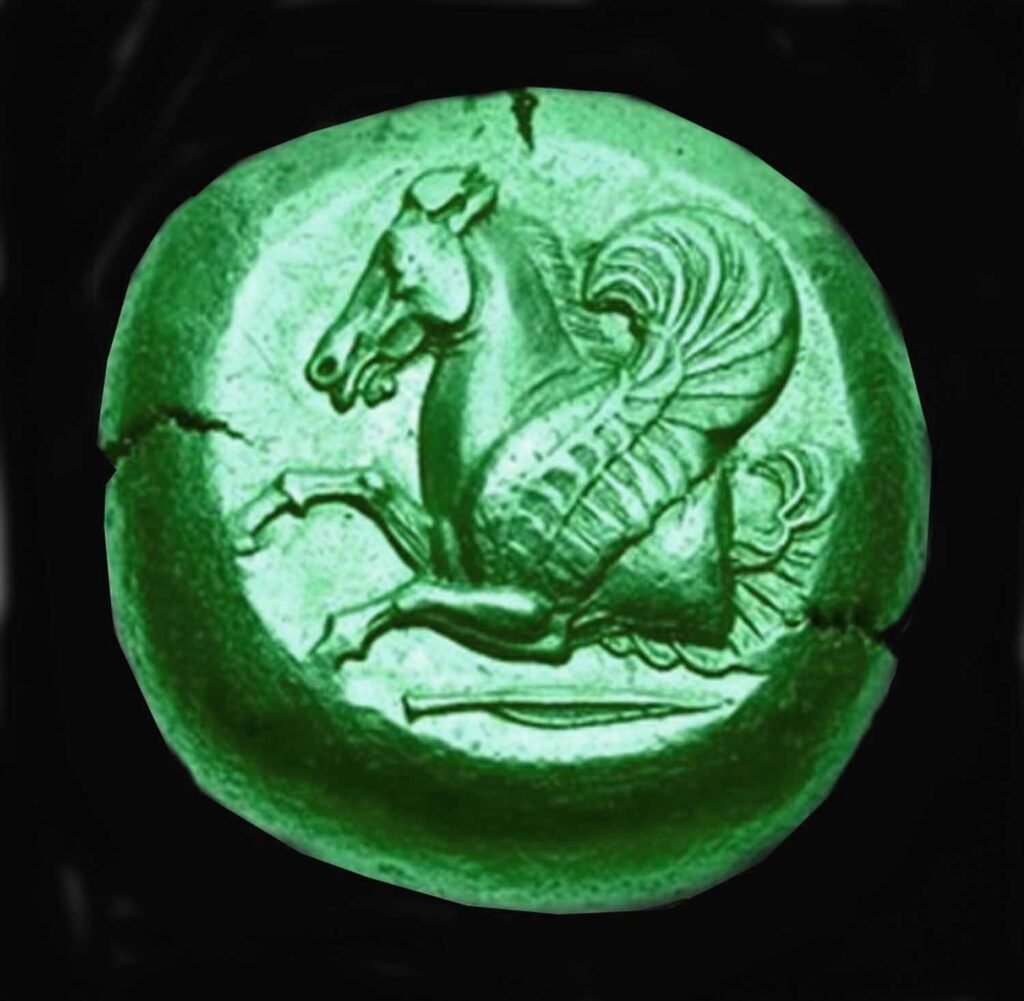
PEGASUS GREEN GOLD COIN
Green Gold
Isa Electrum with Cadmium which can also be added to gold alloys to create a green color. Adding 2% cadmium to 18K red gold yields a light green color, whereas the alloy of 75% gold, 15% silver, 6% copper, and 4% cadmium is dark green.
PEGASUS SILVER COIN
Ag 99.5
Silver coins are one of the oldest mass-produced form of coinage. Silver has been used as a coinage metal since the times of the Greeks; their silver drachmas were popular coins. The ancient Persians used silver coins between 612–330 BC.
Other than collector’s silver coins, silver bullion coins.
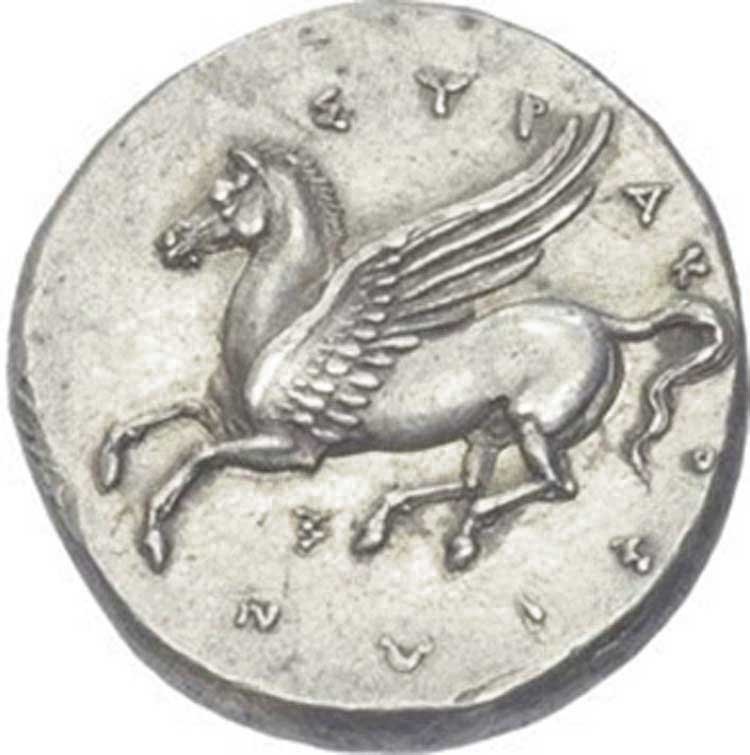
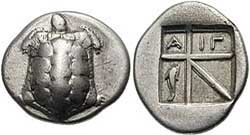
Historical Silver Coin Drachma
Silver drachma. circa 404 BC.Discovered at the island of Aegina
ALLOYS
PROCESS
WEIGHT
INVESTMENT
Q5(Δ)
investment
.
.
INVESTMENT
WEIGHT
RANGE OF COINS
Coins minted in various weght as Limited Editions
10 gr
31.1 gr = 1 oz
100 gr
310 gr = 10 oz
gold mint
algorithms by
Q5(Δ)
&
limited editions
Gold Coins Limited Editions
One of the major attractions of commemorative coins is their limited mintage. Unlike standard bullion coins, which are mass-produced, these coins are often minted in set quantities. It can increase their value over time. It’s a bit like a piece of art: the rarer and more in-demand it is, the more valuable it becomes. For example, a coin like the 10 Guilder William III, with its limited mintage, attracts collectors and investors looking to diversify their assets with unusual assets. It’s a strategy that can pay off in the long run.
One of the major attractions of commemorative coins is their limited mintage. Unlike standard bullion coins, which are mass-produced, these coins are often minted in set quantities. It can increase their value over time. It’s a bit like a piece of art: the rarer and more in-demand it is, the more valuable it becomes. For example, a coin like the 10 Guilder William III, with its limited mintage, attracts collectors and investors looking to diversify their assets.
Then, mintage is key: the fewer coins produced, the better. The market of new limited edition coins demand is a determining factor. Coins like the internationally recognized Vienna Philharmonic, struck with high purity.
Pegasus Gold Mint team conduct research on a modern approach to Limited Editions and put effort to build a diversified and potentially very unique and profitable portfolio.
Investing in limited-edition gold coins is a bit like choosing a rare piece of art, but you also need to be aware of the little pitfalls. Let’s take a look at the pros and cons together.
A limited edition gold coin is one whose number of copies produced is deliberately limited by country or private mint that produces it.
999
LIMITED EDITION
PEGASUS GOLD MINT
Pegasus Gold Mint issues Limited Editions
Limited Edition of:
999 coins with 3 Proofs
Limited Edition of:
99 coins with 5 Proofs
Limited Edition
999 Coins
with 4 proofs
Will be available in 2027
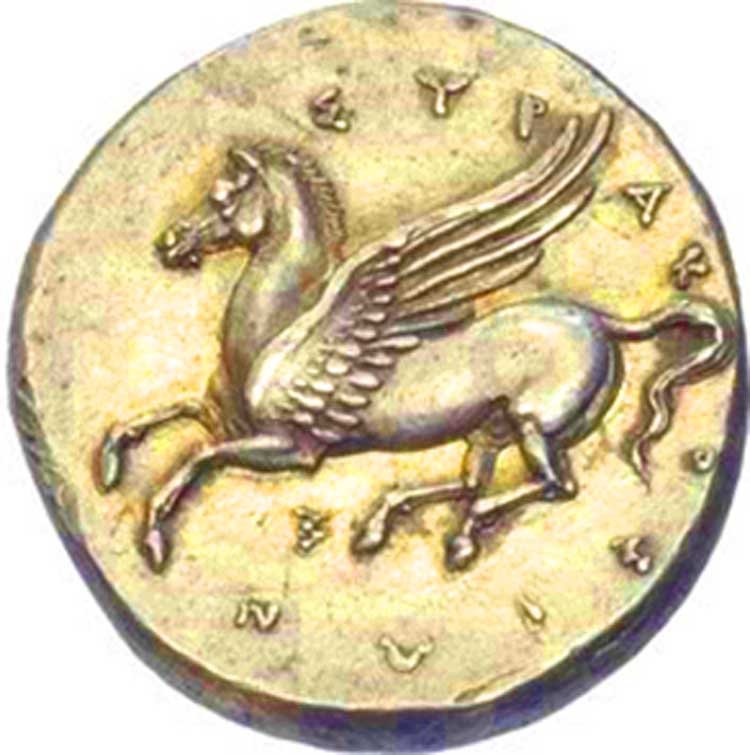
History of Coins in Europe
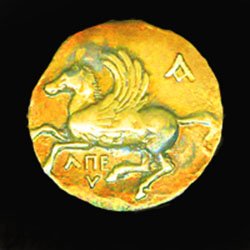
Gold has captured the imagination of people for millennia and has long been revered as a symbol of wealth, power, and beauty. Gold bullion and gold coins have been produced and traded for thousands of years, and their production has played an important role in shaping the economies and societies of different eras.
Ancient Gold Production & Coinage
The earliest evidence of gold production dates back to the 4th millennium BC, when people in Mesopotamia, Egypt, and the Indus Valley civilizations began to mine and smelt gold. Gold was valued for its rarity, durability, malleability, and luster and was used to make jewelry, ornaments, vessels, and religious objects.
The first gold coins were minted in the 7th century BC by King Croesus of Lydia, a kingdom in western Anatolia. He standardized the weight and purity of gold coins and stamped them with his image and symbols. These coins were called electrum, a natural alloy of gold and silver, and they were widely accepted as a form of money throughout the ancient world.
Gold coins were also minted by other civilizations, such as the Persians, Greeks, Romans, Chinese, Indians, and Byzantines. Each coin had its own design, value, and weight. Some of the most famous gold coins in history include the Persian daric, the Greek stater, the Roman aureus, the Chinese yuanbao, the Indian mohur, and the Byzantine solidus.